
Master Architecture Entrance Exam Preparation: Architecture Exam Prep Tips to Ace NATA and JEE Paper 2

Preparing for architecture entrance exams like NATA and JEE Paper 2 can feel like a mountain to climb. But guess what? You don’t have to scale it alone or blindly. I’ve been through the trenches, and I’m here to share the best architecture exam prep tips that will help you not just survive but thrive. Ready to dive in? Let’s get started!
Why Smart Preparation Beats Hard Work Every Time
You might think that spending endless hours with your books is the key. Nope. It’s about smart preparation. Quality over quantity. Here’s what I mean:
Understand the syllabus inside out. Don’t just skim through it. Break it down into topics and subtopics.
Create a realistic timetable. Balance your time between drawing practice, theory, and mock tests.
Focus on your weak areas. Don’t just polish what you already know. Push yourself where you struggle.
Use varied study materials. Books, online tutorials, sketching apps, and previous year papers all have their place.
When you plan smartly, you reduce stress and boost confidence. Trust me, this approach makes a huge difference.
Architecture Exam Prep Tips: How to Nail Every Section
Both NATA and JEE Paper 2 test your creativity, drawing skills, and aptitude. Here’s how to tackle each section like a pro:
Drawing and Sketching
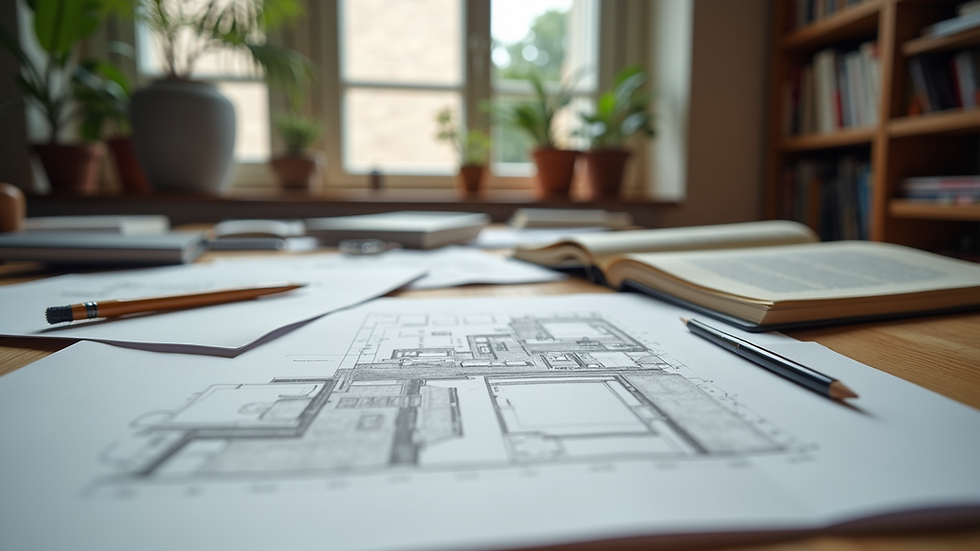
This is your chance to shine. Practice daily. Start with simple objects and move to complex scenes. Focus on:
Proportions and perspectives. Mastering these basics will make your sketches stand out.
Shading and textures. They add depth and realism.
Speed and accuracy. Time yourself to simulate exam conditions.
Mathematics and Aptitude
Don’t let math scare you. Brush up on:
Geometry and mensuration. These are crucial for spatial understanding.
Analytical reasoning. Practice puzzles and logical questions.
Basic algebra and trigonometry. Focus on problem-solving techniques.
General Awareness and Architecture Aptitude
Stay updated with:
Famous architects and their works. Know the basics about Le Corbusier, Frank Lloyd Wright, and others.
Basic architectural terms and concepts. Understand elements like columns, beams, and arches.
Current trends in architecture. Sustainable design, green buildings, and urban planning.
Mock Tests and Previous Papers
Nothing beats practice. Take as many mock tests as you can. Analyze your mistakes and improve. This builds exam temperament and time management skills.

Is NATA Harder Than JEE?
This question pops up a lot. Let’s break it down.
NATA focuses more on drawing and creative aptitude. It tests your ability to visualize and represent ideas on paper. The questions are straightforward but require strong artistic skills.
JEE Paper 2, on the other hand, is broader. It includes:
Mathematics (more complex than NATA)
Aptitude test (similar to NATA)
Drawing test (similar but with a bit more emphasis on technical skills)
So, which is harder? It depends on your strengths. If you’re great at math and logical reasoning, JEE Paper 2 might feel easier. If you’re a natural artist, NATA could be your playground.
The key is to identify your strengths and weaknesses early and tailor your preparation accordingly.
How to Stay Motivated and Avoid Burnout
Let’s be honest. Preparing for these exams can get exhausting. Here’s how I kept my energy up:
Set small, achievable goals. Celebrate every milestone.
Take regular breaks. Your brain needs rest to absorb information.
Mix study with fun. Watch architecture documentaries or visit local buildings.
Stay connected. Join study groups or forums to share tips and stay inspired.
Visualize success. Imagine yourself cracking the exam and stepping into your dream college.
Remember, it’s a marathon, not a sprint. Keep your eyes on the prize but enjoy the journey.
Your Ultimate Checklist for Architecture Entrance Exam Preparation
Before you wrap up your daily prep, run through this checklist:
Have you practiced at least one full mock test this week?
Did you spend time on your weakest topic today?
Have you sketched something new or challenging?
Did you revise architectural concepts or history?
Are you following a balanced timetable with breaks?
Have you maintained a healthy routine - sleep, diet, and exercise?
If you tick all these boxes regularly, you’re on the right track.
For those looking for a comprehensive guide, I highly recommend checking out this architecture entrance exam preparation resource. It’s packed with tips, sample papers, and expert advice tailored for NATA and JEE Paper 2 aspirants.
Taking the Next Step: From Preparation to Performance
When exam day arrives, it’s all about execution. Here’s how to bring your best self to the table:
Stay calm and focused. Deep breaths work wonders.
Read questions carefully. Don’t rush.
Manage your time wisely. Allocate time per section and stick to it.
Trust your preparation. You’ve done the work; now show it.
Keep your materials ready. Pencils, erasers, geometry tools - no last-minute scrambles.
Remember, this exam is just the beginning of your architectural journey. The skills you build now will shape your future as a designer and creator.
Mastering the art of architecture entrance exam preparation is about blending creativity with strategy. With the right mindset and approach, you can turn your dreams into reality. So grab your pencils, sketch your ideas, and get ready to build your future!


Comments